The B-26 Marauder is often remembered as a dangerous airplane that later became one of the most effective medium bombers of World War II. For an acquisition professional, that arc is more than a dramatic aircraft story.
It is a case study in urgency, concurrency, requirements growth, incomplete test knowledge, fielded sustainment, training-system maturity, and the hard work of turning a troubled capability into combat power.
The Requirement Was Real
The original requirement was understandable. In 1939, the United States needed to close a military aviation gap quickly. European air forces were modernizing. The U.S. Army Air Corps wanted a fast, heavily armed medium bomber that could defend itself, evade fighters by speed, carry useful bomb loads, and enter production quickly.
Martin's design offered exactly the kind of performance the Air Corps wanted. It was modern, clean, fast, and built around emerging technology. But the urgency that made the design attractive also compressed the normal learning cycle. The transcript describes the B-26 as moving straight from drawing board to production without a prototype-test phase. In modern acquisition terms, the program accepted concurrency before it understood the full operational and training consequences.
That decision did not make failure inevitable, but it removed margin. The program then absorbed added armor, torpedo racks, and a top turret after contract award. Those changes were logical in wartime: crews needed protection and commanders wanted more mission flexibility. But each change added weight to an aircraft already optimized for speed. The result was a system whose performance promise survived, but whose handling risk increased.
The Fielding System Was Not Ready
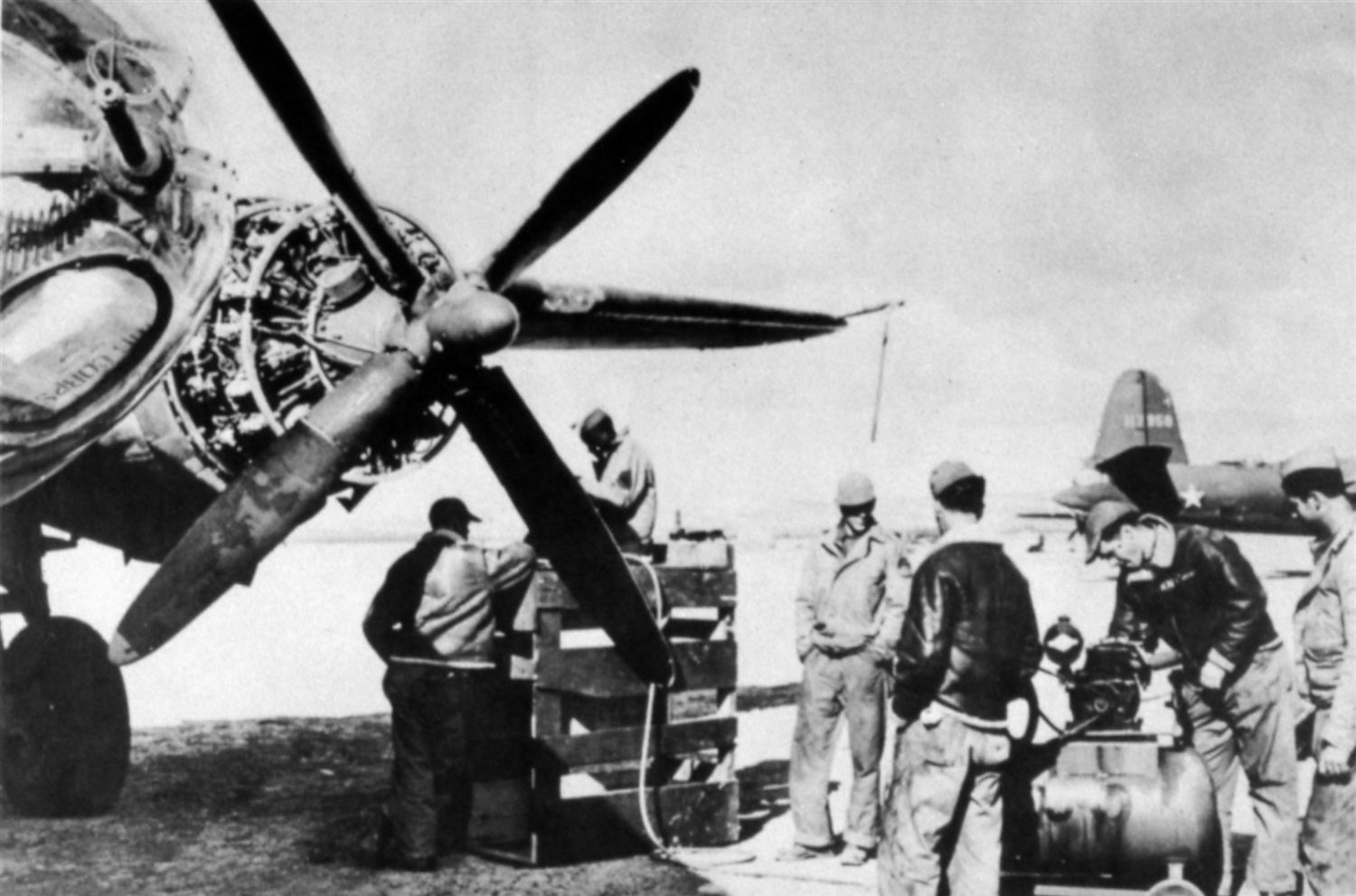
The early fielding problems were not confined to pilots. The transcript describes nose-wheel strut failures, hydraulic leaks, clogged fuel lines, propeller failures, tire problems, material shortages, and propeller shortages. Those are not separate anecdotes. They are symptoms of a system entering service before the full test, production, supply, maintenance, and training ecosystem had caught up.
The aircraft's reputation followed quickly. New pilots met a fast bomber with high wing loading and high landing speeds. If they treated it like a trainer and came in too slowly, the margin disappeared. Stalls, spins, runway accidents, and fatal mishaps gave the B-26 its grim nicknames.
The public story often compresses that into "bad airplane." The acquisition lesson is sharper: a demanding design had been fielded into an immature operational system.
Oversight Became a Forcing Function
Oversight arrived because the mishap record forced it. The transcript describes the Truman Committee investigating after a severe run of accidents and recommending that production and flying be halted. That moment matters. It shows the program had moved from technical problem to institutional crisis.
The question was no longer whether the aircraft was promising. It was whether the system could make it safe and useful fast enough to justify continued fielding.
The Recovery Was Systemic
The recovery did not come from one heroic fix. It came from aligning the system. General James Doolittle helped restore confidence by demonstrating what the aircraft could do in skilled hands. Engineers introduced improvements, including more power and a longer wing, to make the aircraft easier to handle. Training changed for pilots and mechanics. Demonstrations, checklists, procedures, and maintenance discipline turned fear into competence.
That is the heart of the case study. The B-26 did not become a good weapon simply because critics were wrong. It became a good weapon because the acquisition and operational communities learned what the aircraft required and then adapted engineering, training, maintenance, tactics, and crew confidence around that reality.
Combat Completed the Feedback Loop
Combat forced another learning loop. Early low-level use in North Africa was costly and often poorly coordinated. The transcript describes a shift toward medium-altitude, massed formation bombing. That put the B-26 closer to the mission profile it had been designed for: fast medium-bomber attacks against transportation, supply, and battlefield targets from roughly 10,000 to 12,000 feet.
Once the tactics matched the aircraft, the Marauder's strengths became clearer. It could carry meaningful bomb loads, defend itself in formation, absorb damage, and deliver accurate attacks against bridges, rail yards, ports, ammunition dumps, defensive positions, and airfields. The same aircraft that had seemed too hot for inexperienced trainees became, in experienced hands, a durable combat system.
Why It Belongs in the Bob Cary Project
For the Bob Cary project, this matters because Cary's documented missions came late in the war, after the B-26's hard learning curve. By the winter of 1944-1945, the 320th Bombardment Group was using the Marauder in exactly the kind of role the mature system supported: rail bridges, marshalling yards, ammunition dumps, defensive belts, and airfields. Cary's records belong to the operationally adapted B-26, not the earliest training crisis alone.
The case study lesson is not that urgency is wrong. In 1939 and 1940, delay carried its own risk. The lesson is that urgent fielding borrows risk from the future. If prototype testing, requirements stability, training-system design, maintainability, supply support, and operator feedback are compressed up front, the bill comes due in the field.
The B-26 paid that bill in accidents, congressional scrutiny, scared trainees, and a damaged reputation. Then it recovered through disciplined adaptation. That is why the aircraft's story still feels current. It is a reminder that acquisition success is not the contract award, the first delivery, or even the first combat sortie. Success is the point at which the whole system can generate reliable combat effect without consuming the people it depends on.
The Marauder's final reputation was earned the hard way. It became a feared and effective medium bomber because the system around it finally became mature enough to use what the design had promised.